



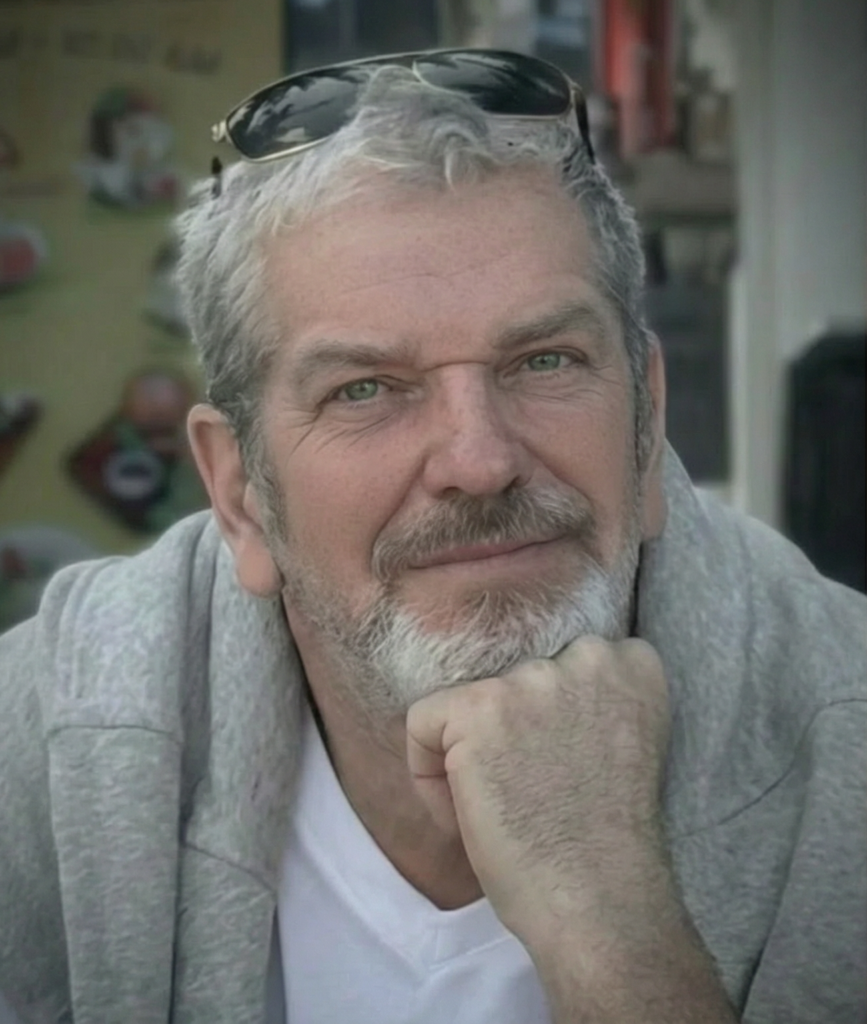
At 60+, I'm Not "Aging Gracefully." I'm Competing. Building. Improving.
Here is how I got here — and what I built from it.
At 60+, I'm Not "Aging Gracefully." I'm Competing. Building. Improving.
Here is how I got here — and what I built from it.
Who I Am
I am Dan Ra — born in the Soviet Union, trained in the rigorous Soviet engineering tradition across Yekaterinburg and Kyiv, and based in Canada for almost 30 years.
I spent years designing composite structures built to survive extreme conditions — temperature swings, mechanical stress, decades of load-bearing use without failure. The job was always the same: understand the system, identify the failure modes, engineer for durability. When I turned that same thinking to my own body at 40, the
results were predictable. Not because I am exceptional — but because engineering works. Systems designed for durability tend to last.
Soviet engineering was not about ideal conditions. It was about building things that worked anyway — under resource constraints, extreme temperatures, and decades of use without failure. That discipline shapes everything in this framework. Not theory for perfect conditions. Systems that hold when life gets difficult.
Engineering Background
- Soviet engineering tradition — Yekaterinburg & Kyiv
- Composite materials & construction systems
- Reliability engineering: built to last under pressure
- Multiple patents and applied know-how
- 30+ years engineering career — USSR and Canada
Athletic Continuity
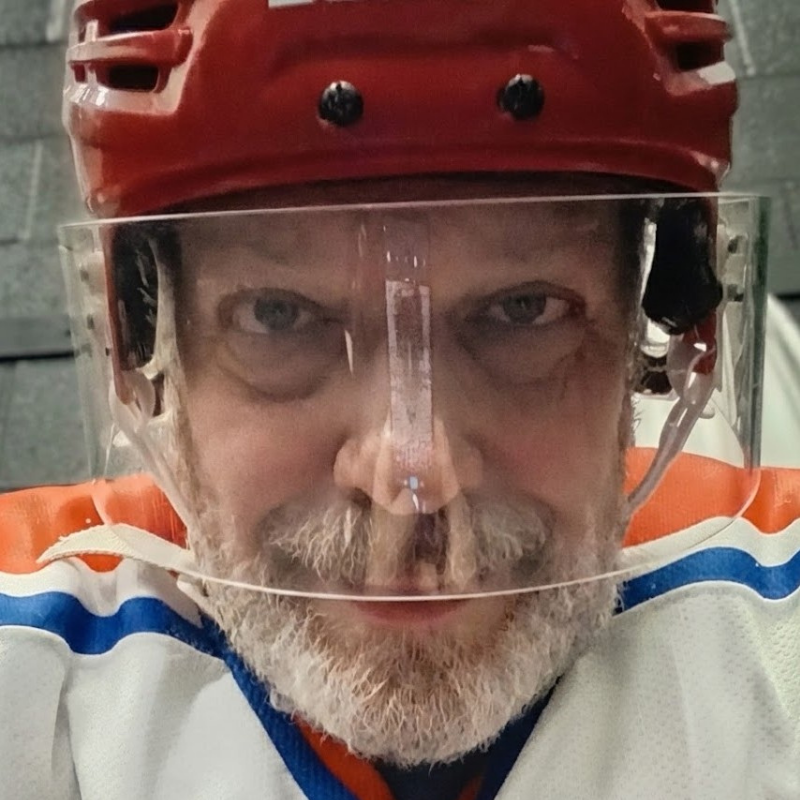
- Hockey at 60+ competing with players decades younger
- 5–6 training days per week, zero chronic pain
- Resting heart rate: 55 bpm
- No prescription medications at 60+
- No reading glasses — sharp vision maintained
Research & Practice
- 20+ years systematic self-testing and refinement
- Research-backed protocols where evidence exists
- Certified mind-performance practitioner
- Continuous feedback loops — engineer’s method
- Documented, adjusted, and repeatable
What I am not: I am not a medical doctor or certified nutritionist. I do not make medical claims, prescribe treatments, or promise specific results. I share what I have learned from 20+ years of systematic experimentation on myself, backed by research where available, refined through continuous feedback. — Dan Ra, Founder — Longevity Engineering
Currently writing: Longevity Engineering — a book unpacking the complete framework, the research behind each system, and the history of what the health industry gets wrong about aging. To be notified when it launches, subscribe to the newsletter on the Journal page.
THE CRISIS AT 40
Like most people, I hit 40 and started noticing things. Weakness appearing where strength used to be. Blood pressure climbing. Stress taking longer to recover from. Energy that used to bounce back now stayed depleted.
I realized something that changed everything. There is a reason many people feel this shift around 40. For most of human history, life expectancy was 40 to 50 years. Our bodies were shaped by that reality. We evolved to reproduce, raise offspring to self-sufficiency, then decline. Whether because of biology, accumulated wear, or chronic stress — by 40, the old approach stops working.
“Your body starts asking: Why are we still here? The program is complete.”
And unless you intervene systematically, decline becomes the default path. I refused to accept that.
THE CRISIS AT 40
Like most people, I hit 40 and started noticing things. Weakness appearing where strength used to be. Blood pressure climbing. Stress taking longer to recover from. Energy that used to bounce back now stayed depleted.
I realized something that changed everything. There is a reason many people feel this shift around 40. For most of human history, life expectancy was 40 to 50 years. Our bodies were shaped by that reality. We evolved to reproduce, raise offspring to self-sufficiency, then decline. Whether because of biology, accumulated wear, or chronic stress — by 40, the old approach stops working.
“Your body starts asking: Why are we still here? The program is complete.”
And unless you intervene systematically, decline becomes the default path. I refused to accept that.
THE INVESTIGATION
I started looking for answers. Nutrition. Training methods. Recovery protocols. Mental performance. Stress management. Sleep optimization.
And I found chaos. Contradictory advice. Hype-driven trends. Programs that worked for 25-year-olds but destroyed 40-year-old joints. Wellness content that promised everything and delivered nothing sustainable. No clear framework. No systematic approach. Just noise.
That is when I decided to use my background as an engineer-researcher to solve this problem the way I would solve any complex system challenge.
The Engineering Method
My method was systematic. Not reactive. Not trend-driven. Engineered.
1 — GATHER: Collect data from all available sources — research papers, expert opinions, practical experience, athletic training, clinical evidence.
2 — ANALYZE: Find patterns and contradictions. What actually works versus what sounds good? What is sustainable versus what is temporary?
3 — DESIGN: Build systems from first principles. Not copying programs. Engineering solutions for durability, not peak performance. Building for decades, not months.
4 — TEST: Trial and error on myself. Track results. Adjust based on data. Iterate continuously.
5 — REFINE: What works at 45 needs adjustment at 55 and 65. Systems evolve with feedback.
Summary box: This is not a program you follow. It is a method you apply. The difference is that programs have an end date. Systems keep working. I did all of this for myself. I was not sure it would work. I never thought about sharing it with anyone. I just wanted to stay capable. Strong. Sharp. Independent.
| Metric | At 40 | At 60+ |
|---|---|---|
| Resting heart rate | ~72 bpm | 55 bpm |
| Chronic joint pain | Stiffness, discomfort | Zero — full mobility |
| Reading glasses | Needed | Not needed |
| Prescription medications | Beginning to accumulate | None |
| Recovery after training | Days | 24 hours or less |
| Training days per week | 2–3, inconsistent | 5–6, consistent |
Physical Capability
- Train 5–6 days per week — strength, mobility, conditioning
- Competitive ice hockey with players decades younger
- Zero chronic joint pain — full mobility maintained
- No prescription medications — vitamins and minerals only
- No reading glasses — sharp vision maintained
- Resting heart rate: 55 bpm
- Travel extensively — 17-hour flights, 10+ countries in 5 years
Mental & Neural Performance
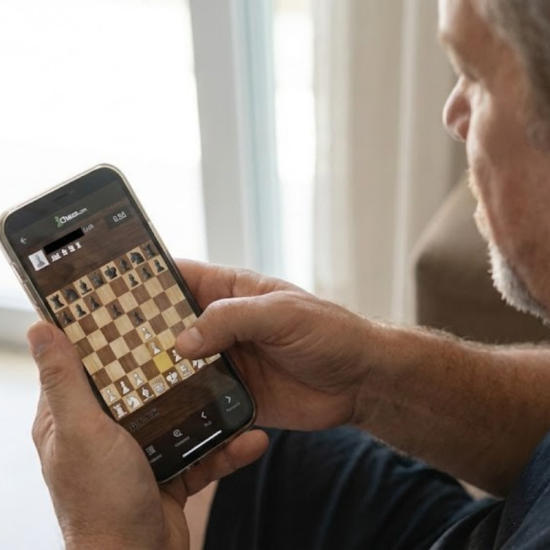
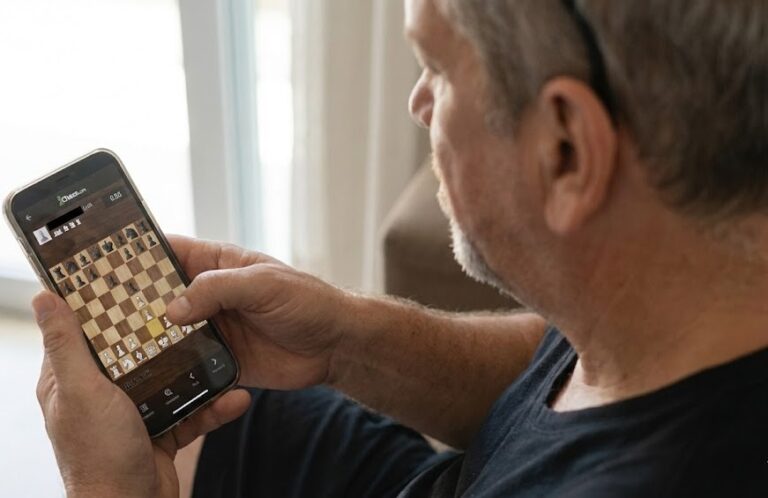
- Daily chess — pattern recognition and strategic thinking
- Continuous learning across technical and practical domains
- Stress managed through systematic frameworks — not reactively
- Sleep 7–8 hours consistently using tested techniques
- Energy stable throughout the day
- Neural performance maintained through focused protocols
- Adaptation capacity preserved

The Philosophy
Longevity Engineering is about designing a life where strength, clarity, and capability remain accessible for as long as possible. Not through heroic effort. Not through extreme discipline. Through systems that make the right choices the path of least resistance.
| Principle | What it means in practice |
|---|---|
| Volume beats maximum weight | More total work at lighter loads — sustainable, not destructive |
| Frequency beats intensity | Train more often, not harder — consistency compounds over decades |
| Recovery is where adaptation happens | Rest is strategic, not weakness — build it into the system |
| Stress is manageable with frameworks | Distinguish solvable from unsolvable — act on what you control |
| Mental training matters as much as physical | Mind and body as one integrated operating system |
| Consistency over years beats intensity over weeks | Decades of moderate effort outperform bursts of heroics |
| Modification before elimination | Adjust what is not working — do not quit, redesign |
They work because they are designed to work. And they are designed to last.
What This Project Offers
This framework was built from a male founder's experience. The systems, protocols, and outcomes apply equally regardless of gender — physiological differences are noted where relevant within individual systems.
| Price | Product | What it gives you |
|---|---|---|
| FREE | Biological Age Quiz | Self-assessment — results immediately, no email required |
| Free after Quiz | Starter Kit | Personalized entry protocols delivered to your inbox after completing the Quiz — with direct links to the Template Pack and the systems that match your results |
| FREE | Journal | Long-form articles on training, recovery, and mental performance |
| FREE | Weekly Newsletter | Systems, training, and long-term thinking — no set schedule, only when worth sending |
| $97 | Template Pack | Planning and tracking templates for training, recovery, sleep, and stress |
| $497 | Complete Framework | All 10 interactive systems — the full coordinated operating system |
| Coming soon | Mind-Performance Sessions | 1:1 sessions using neural reprogramming protocols for stress, sleep, habits, and performance |
| Coming soon | Book — Longevity Engineering | The complete framework, research behind each system, and history of what gets ignored about aging |
The Long View
I am 60+. I plan to be training, learning, and competing at 70, 80, and beyond. Not because I am special. Because I designed systems that make it possible. You can too.
Welcome to Longevity Engineering. — Dan Ra, Founder
Find your baseline in 3 minutes
See the full framework
About Longevity Engineering
At 60+, I'm Not "Aging Gracefully."
I'm Competing. Building. Improving.
Here's how I got here—and how you can too.

My credibility comes from three places
1) Background
First is background.
How I think, and what that thinking produces in real life. I was trained to break complex problems into components, test assumptions, and improve systems incrementally rather than chasing perfect plans. I bring that same approach to longevity and human performance.
2) Outcomes
Second is outcomes. At 60+, I still compete in ice hockey with men 5–25 years younger than me.

I train consistently, travel often, and play competitive chess daily to keep my mind sharp.
I don’t rely on daily medication or reading glasses. I maintain a real personal life and still
feel alive in relationships.

I don’t attribute this to luck — I attribute it to consistent application of systems over years.
3) The system
Third is the system. My focus is durability, not short-term peaks. I continuously study longevity, training, recovery, and human performance — then evaluate ideas through evidence, practicality, and repeatability, and pressure-test what remains in real life.
The goal is not a “perfect protocol,” but a simple structure that works consistently: during regular life, busy weeks, travel, and stress.
Physical Capability
● Train 5–6 days per week — strength, mobility, conditioning
● Play competitive ice hockey with players decades younger
● Zero chronic joint pain, full mobility
● No daily medications — only vitamins and minerals
● No reading glasses — sharp vision maintained
● Travel extensively — 17-hour flights, 10+ countries in 5 years
● Resting heart rate: 55 bpm
Mental Performance
● Daily chess practice — pattern recognition and strategic thinking
● Continuous learning across technical and practical domains
● Stress management through systematic frameworks
● Sleep 7–8 hours consistently using tested techniques
Recovery
● Complete recovery between training sessions
● Energy stable throughout the day
● Adaptation capacity maintained
● Resting heart rate in healthy range
THE RESULTS — AT 60+
This is not theory. These are current results of the system, applied consistently over two decades.
This is not exceptional genetics. I am not a professional athlete. I did not start young with perfect habits.
This is systematic thinking applied to human durability over time.
My credibility comes from three places
1) Background
2) Outcomes
Second is outcomes. At 60+, I still compete in ice hockey with men 5–25 years younger than me—taking hits, making plays, and keeping up shift after shift. I train consistently through busy weeks, travel often without losing momentum, and play competitive chess daily to keep my mind sharp under pressure.
I don’t rely on daily medication or reading glasses. I maintain a real personal life and still feel alive in relationships.
These aren’t side effects. They’re proof the system delivers what matters most: capability that lets you live fully, compete fiercely, and stay connected at any age.
3) The system

Third is the system. My focus is durability, not short-term peaks. I continuously study longevity, training, recovery, and human performance — then evaluate ideas through evidence, practicality, and repeatability, and pressure-test what remains in real life.
The goal is not a “perfect protocol,” but a simple structure that works consistently: during regular life, busy weeks, travel, and stress.
What this project is and isn’t
Longevity Engineering is educational: personal experience, research interpretation, and systems thinking applied to a long time horizon. It’s an attempt to translate complex ideas into usable thinking without hype.
Disclaimer:
It is not medical advice. I don't diagnose, treat, or prescribe. I analyze information and research, share how I think about it, and document what I've tested personally, so you can make your own decisions.

The Best Beneficial Side
of EduBlink

High Quality Courses
Lorem ipsum dolor sit amet conset ur elit sed eiusmod ex tempor inc labore dolore magna.

Life Time Access
Lorem ipsum dolor sit amet conset ur elit sed eiusmod ex tempor inc labore dolore magna.

Expert Instructors
Lorem ipsum dolor sit amet conset ur elit sed eiusmod ex tempor inc labore dolore magna.



Course Instructors


What Our Students
Have To Say
“Lorem ipsum dolor amet consectur elit adicing elit sed do umod tempor ux incididunt enim ad minim veniam quis sit nosrud citation laboris nisiste aliquip comodo perspiatix une omnis iste natus error sit voluptatem accusantium dolore que laudantum”.

David Owens
Designer“Lorem ipsum dolor amet consectur elit adicing elit sed do umod tempor ux incididunt enim ad minim veniam quis sit nosrud citation laboris nisiste aliquip comodo perspiatix une omnis iste natus error sit voluptatem accusantium dolore que laudantum”.

Bob Limones
Student“Lorem ipsum dolor amet consectur elit adicing elit sed do umod tempor ux incididunt enim ad minim veniam quis sit nosrud citation laboris nisiste aliquip comodo perspiatix une omnis iste natus error sit voluptatem accusantium dolore que laudantum”.